
Residential · Tampa Bay, FL · License EC13013571
Whole-Home Surge Protection in Tampa Bay, the Lightning Capital of America
Tampa Bay sees more lightning than anywhere in the country. One panel-mounted surge protector covers every circuit in your home.
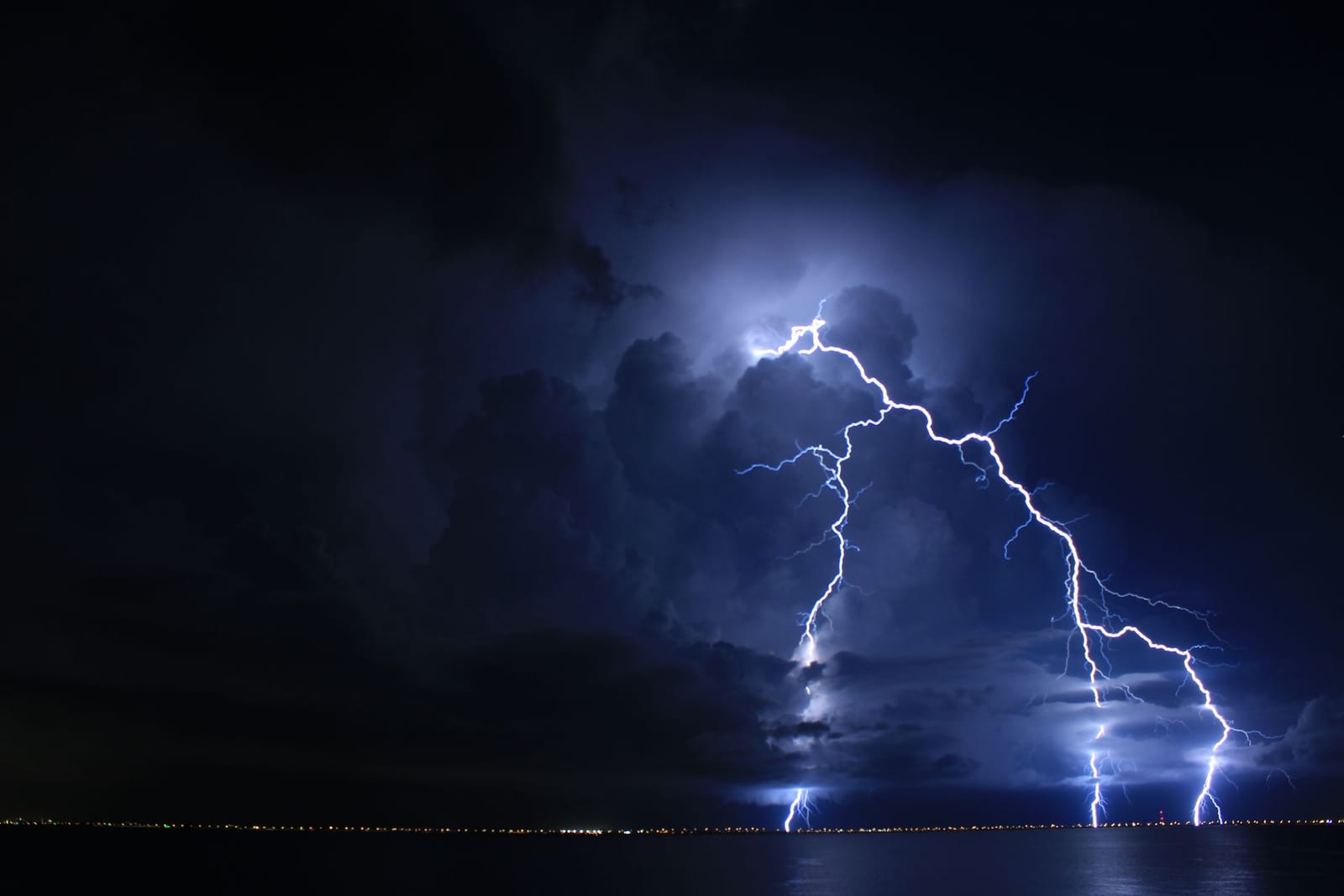
Central Florida is the lightning capital of the United States, and Tampa Bay sits right in the middle of it. Every summer afternoon storm pushes voltage spikes through TECO and Duke Energy lines and into your home, where they quietly degrade the control boards in your AC, refrigerator, washer, TVs and computers until one of them fails. A whole-home surge protective device (SPD) mounted at your electrical panel clamps those spikes before they reach your branch circuits. Lightning Bay Electric, a family owned and operated licensed electrical contractor (EC13013571), installs Type 1 and Type 2 surge protectors from Square D, Eaton, Siemens and Leviton across Tampa Bay, usually in about an hour, with a written price up front. Paired with a panel upgrade, generator or EV charger visit, it adds very little to the job.
What You Get With Lightning Bay Electric
- Type 2 panel-mounted SPDs from Square D, Eaton, Siemens and Leviton
- Type 1 meter-side protection for the strongest coverage
- Protects AC compressors, variable-speed air handlers, appliances and electronics
- Required by NEC 2020 and 2023 on new and replaced service panels
- Many models carry a connected-equipment warranty from the manufacturer
- Installed in about an hour, often paired with a panel upgrade or generator
- Point-of-use protection for home theaters, offices and well pumps
Signs You Need Whole-Home Surge Protection
- You have replaced an AC control board, garage opener or appliance after a storm
- Lights flicker or brighten during afternoon thunderstorms
- Your home has a variable-speed AC, heat pump or inverter equipment
- You recently installed an EV charger, generator or solar
- Your home sits on a well with a submersible pump
- Your panel was replaced without a surge device
- You have a home office or expensive electronics
Living in the Lightning Capital of the United States
The corridor from Tampa Bay across central Florida to Titusville records more lightning strikes per square mile than anywhere else in the country. Between June and September, the sea breeze collision over the peninsula builds thunderstorms nearly every afternoon, and each one sends surges through the TECO and Duke Energy distribution lines that feed your home. A strike does not have to hit your house to hurt it. A strike a half mile away induces a voltage spike on the lines that arrives at your panel in a fraction of a second, far faster than a breaker can react, and far above what the control boards in your appliances can survive.
Lightning Bay Electric installs whole-home surge protection for homes across Hillsborough, Pasco, Pinellas, Polk and Manatee counties. We are family owned and operated, licensed by the Florida DBPR under EC13013571, and we have replaced enough lightning-fried air conditioner boards, garage door openers, well pump controls and refrigerator electronics to know that a surge device at the panel is the highest-value small job in electrical work. Most installations take about an hour and cost less than a single AC control board.
How a Whole-Home Surge Protector Works
A surge protective device, or SPD, mounts at or inside your main electrical panel and connects to both hot legs, the neutral and the ground through a dedicated two-pole breaker. Inside are metal oxide varistors that sit idle at normal voltage and become conductive the instant voltage exceeds a threshold, diverting the surge to ground before it continues down your branch circuits. A good Type 2 device clamps a surge in nanoseconds and can absorb tens of thousands of amps over its life. It protects every circuit in the house at once, including the hardwired equipment that can never be put on a power strip: the air conditioner, the water heater, the range, the pool pump, the well pump and the garage door opener.
We install Type 2 devices from Square D, Eaton, Siemens and Leviton, chosen to match your panel brand so the device mounts cleanly and the warranty is honored. For homes that want the strongest protection, a Type 1 device installed on the line side at the meter adds a first layer before the panel. Subpanels for workshops, pool equipment or detached garages can get their own device, and we often install one at the feed to a generator transfer switch so backup power equipment is covered too.
What Surges Actually Destroy in a Florida Home
The damage from surges is usually gradual, which is why homeowners underestimate it. Each spike degrades semiconductors a little. The variable-speed compressor in a modern heat pump, the inverter board on a high-efficiency air handler, the control module in a tankless water heater, the main board on a refrigerator with a touchscreen: all of them take hits storm after storm until one afternoon they simply quit. The repair bill for an AC control board in Tampa Bay runs $600 to $1,500, a variable-speed compressor module far more, and manufacturers are quick to deny warranty claims when the failure looks like surge damage.
Homes on wells are especially exposed, because the submersible pump sits at the bottom of a metal casing in wet earth, which is a near-perfect lightning path, and the pump control box is expensive. Homes with EV chargers, solar inverters and smart home systems have more electronics in harm's way than ever. And the single most valuable piece of protected equipment in most Tampa Bay homes is the air conditioner, which is the one thing you cannot afford to lose in August.
Code Requirements and Why New Panels Include Surge Protection
The 2020 National Electrical Code added a requirement for a surge protective device on all new dwelling unit services and on any service that is replaced, and the 2023 NEC, which Florida is adopting into the Florida Building Code, keeps and expands that rule. That is why every panel upgrade Lightning Bay Electric performs includes a surge device as part of the job, not as an add-on. The code change happened because the data is clear: modern homes are full of sensitive electronics, and the cost of protection is trivial compared to the cost of replacement.
If your panel was replaced before 2020, or has never been replaced, you very likely have no surge protection at the service. Adding one is a voluntary upgrade, but it is one we recommend to every Tampa Bay homeowner we meet. Installation to an existing panel generally does not require a permit in most local jurisdictions when it is a simple device add, though we confirm the rule for your municipality and pull one when it is needed.
Layered Protection: Panel Device Plus Point-of-Use
A whole-home device is the foundation, but it is not the whole system. Surges also originate inside the home when large motors cycle, and a panel device lets a small residual voltage through on very large events. The answer is layering. We recommend quality point-of-use surge strips, rated in joules with a real clamping voltage specification, on home theater systems, computers, networking gear and anything with a fragile board that plugs into a wall. Cable and phone lines can carry surges too, and many point-of-use units include coax and Ethernet protection.
Surge devices wear out. Every surge they absorb consumes some of their capacity, and in Tampa Bay that happens faster than in most of the country. Quality panel devices include indicator lights that show they are still active; when the light changes, the device has done its job and needs replacement. We check yours during any service call or safety inspection, and we recommend a look every five years regardless.
Grounding: The Part of Surge Protection Nobody Sees
A surge protector works by diverting excess voltage to ground, which means it is only as good as the grounding system it is connected to. This is the part of the job that separates a real installation from a device screwed into a panel and forgotten. When we install a surge protective device, we inspect the grounding electrode system: the ground rods, the connection to the water service if it is metal, the bonding jumper across the water heater, and the condition of the grounding electrode conductor. We find homes across Tampa Bay with a single corroded rod, a clamp that fell off years ago, or a water bond that was lost when the main line was replaced with PVC. A surge device on a home like that has nowhere to send the energy.
Current code calls for two ground rods spaced at least six feet apart unless one is tested to a low enough resistance, plus bonding of the water piping and the gas line, and on newer homes a concrete-encased electrode in the footing. We bring the grounding up to that standard as part of a surge installation when it is deficient, and on a panel upgrade it is included. We also keep the surge device's leads as short and straight as possible, because every inch of wire between the device and the bus adds impedance and raises the voltage that gets through during a fast lightning transient. Mounting the device in or immediately beside the panel rather than in a box a few feet away is a detail that matters.
Lightning does not only arrive on the power lines. It rides in on the cable television line, the phone line, the internet fiber's copper equipment, and on metal gas piping and irrigation wiring. Bonding those services to the same grounding system is what keeps a surge on one line from finding a path through your television to the other. We check the cable and communication grounds at the demarcation point and correct them where the installer skipped the bond, which is common. A whole-home surge device, a proper grounding system and bonded communication lines together are what turn a Tampa Bay home from a lightning target into one that shrugs off an afternoon storm.
Protect Your Home Before the Next Storm
A surge protector installed in the spring pays for itself the first afternoon it clamps a strike in July. Lightning Bay Electric installs whole-home surge protection across Tampa Bay, often combined with a panel upgrade, generator or EV charger visit to save on labor. Find your city on our service areas page, read what homeowners say on our reviews page, and call (813) 897-2665 or use the contact form for an up-front price.
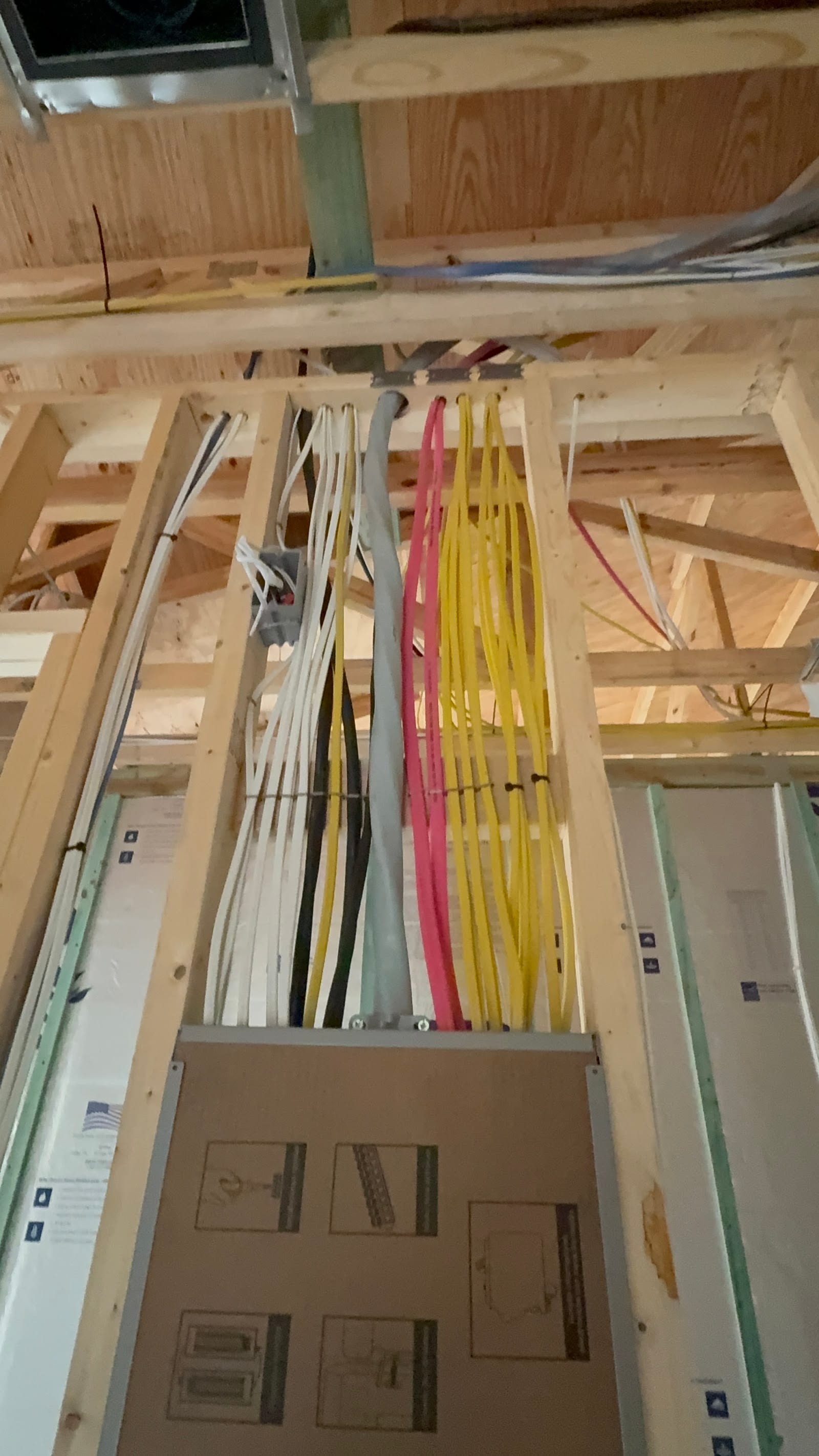
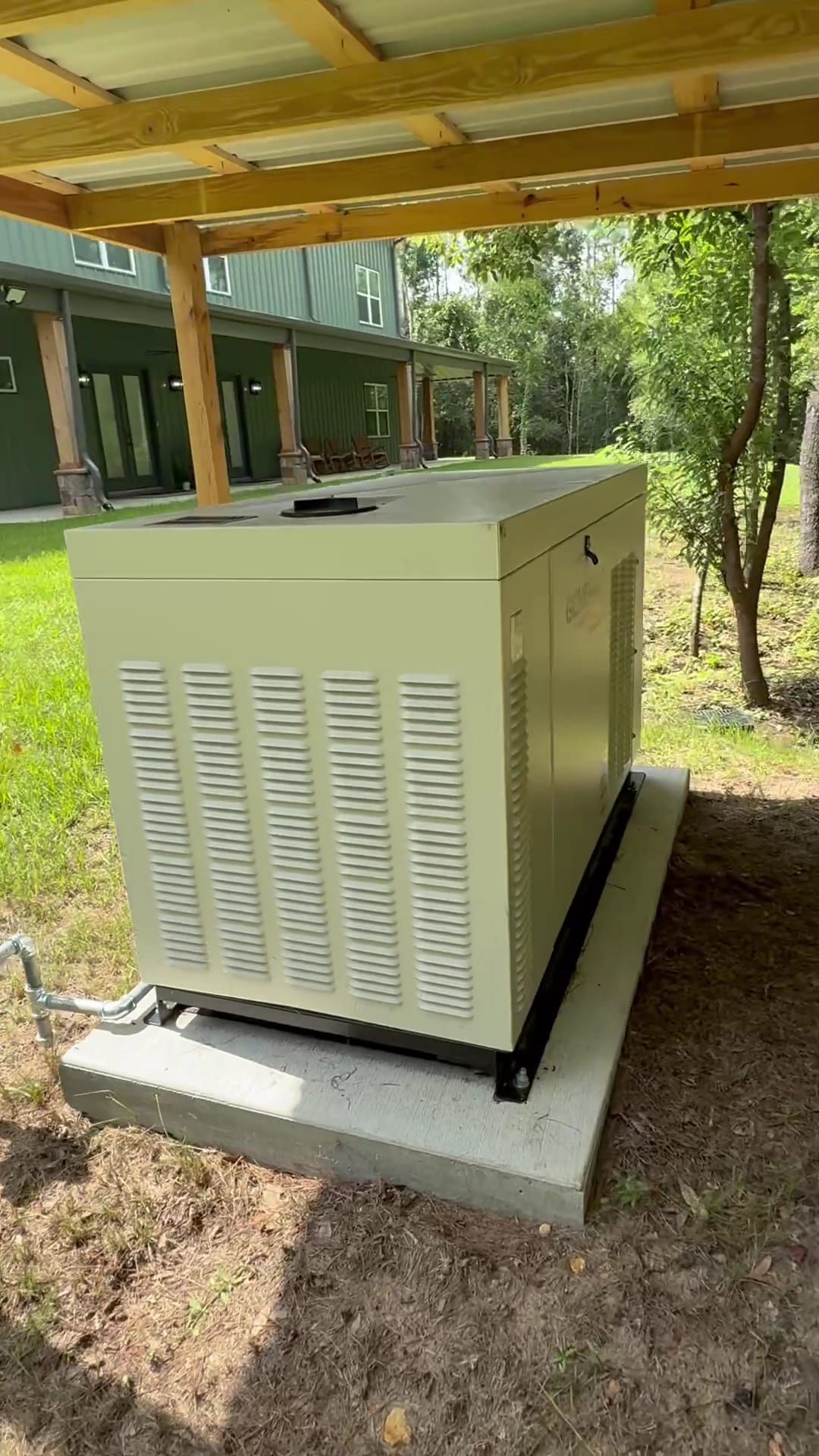
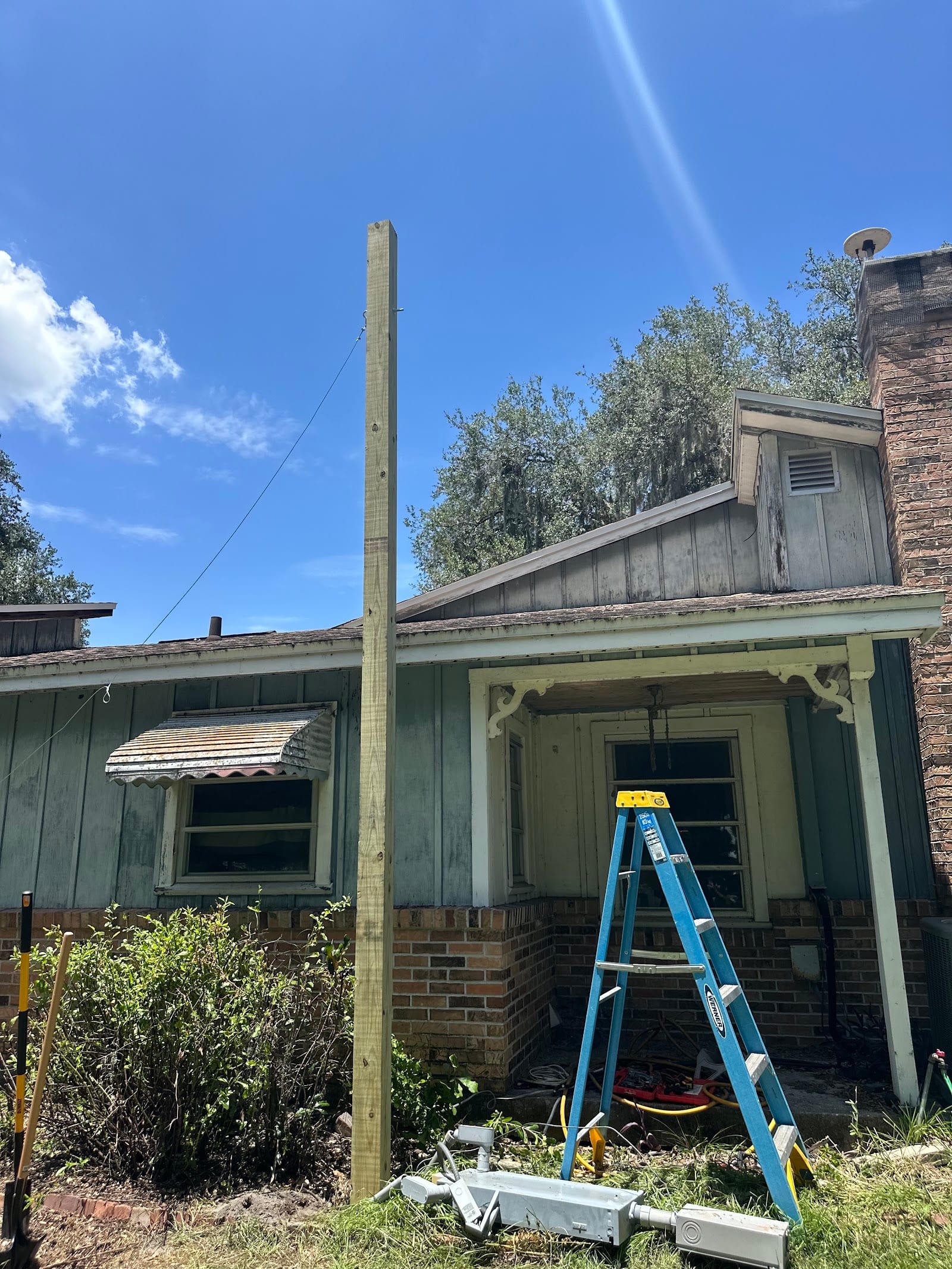
The Work, Up Close
What Customers Say About Our Whole-Home Surge Protection Work
We called/shopped around before deciding on Lightning Bay Electric to update our circuits and panel for our new pool. We couldn't be happier with the results. Extremely quick service and Mike was an absolute pleasure to do business with. We will be calling them for all our future electrical needs!
I was going to call Michael directly, but I know how busy things can get, so I wanted to share my experience here. Jose recently completed a job for us, and I couldn't be more pleased with the service. He was professional, clean, and extremely organized throughout the entire process. What really stood out was his humility and problem-solving ability, he had to create a solution on the spot and handled it seamlessly without making it a big deal. That kind of attitude speaks volumes. Jose is a great representative of the company and clearly takes pride in his work. I truly appreciate the quality of service and the professionalism shown from start to finish. Highly recommend Lightning Bay Electric!
Michael at Lightning Bay Electric did a great job from initial consultation to work completion. The whole team was professional, took their time, and handled multiple different jobs on the same day. The work is outstanding and the price more than fair. Will be using again.
Exceptional work. The techs were amazing. Diligent, polite, offered advice and cleaned up when they were done. The kitchen and dining room lights look spectacular. The lanai fans perfectly installed. Finally the under cabinet lighting was the frosting on the cake, controlled remotely and multiple lighting variations. It looks fantastic in the evening. Thank you Lightning Bay Electric for a first class experience from start to finish.
Mike helped me with inspection repairs for the selling of my house. Upon discovering improperly installed equipment still under warranty, he talked me through why it was wrong and how to get it replaced. His work was done quickly and with expertise. He is honest, knowledgeable, and fair. I highly recommend Mike and Lightning Bay Electric for any electrical needs.
Mike is an exceptional person to work with. He genuinely understands his customers' needs. Jose, the electrician, did an excellent job on my panel replacement. I want to express my gratitude to both of you. I will highly recommend your company to everyone I know.
Whole-Home Surge Protection Near You
Pick your city for local details, neighborhoods, ZIP codes, permitting and utility notes:
Hillsborough County
Pasco County
Pinellas County
Polk County
Manatee County
Whole-Home Surge Protection, Questions We Hear Every Week
How much does whole-home surge protection cost in Tampa?
A quality Type 2 panel-mounted surge protector installed by Lightning Bay Electric typically runs $350 to $750 including the device, a dedicated breaker, labor and permit when required. Adding Type 1 meter-side protection or protecting a subpanel adds to that. Compared to one AC control board at $600 to $1,500, it pays for itself the first time it does its job.
Will a surge protector stop a direct lightning strike?
No device can guarantee protection against a direct strike to the house, which is why lightning rods exist. What a whole-home SPD does extremely well is absorb the far more common indirect surges: nearby strikes that induce voltage in utility lines, and switching surges from the grid. Those account for the overwhelming majority of surge damage in Tampa Bay homes.
Do I still need power strips if I have whole-home surge protection?
Layered protection is best. The panel device handles the big hits coming from the utility, and a quality point-of-use strip catches smaller residual surges and those generated inside the home by motors cycling. Put strips on home theaters, computers and networking gear. Never rely on a strip alone for an AC or major appliance.
How long does a whole-home surge protector last?
Most last 5 to 10 years in Florida, depending on how many surges they absorb. Good units have indicator lights that show they are still protecting. When the light goes out or turns red, the device has sacrificed itself and needs replacing. We check yours during any panel work or safety inspection.
Is surge protection required by code in Florida?
Yes, for new work. Florida adopted the 2020 NEC and is moving to the 2023 NEC, both of which require a surge protective device on new dwelling services and on panel replacements. If we upgrade your panel, a surge device is included. Adding one to an existing panel is voluntary but strongly recommended in our climate.
Need Whole-Home Surge Protection Today?
Family owned, licensed and insured (FL EC13013571), 24-hour emergency service across Tampa Bay. Call (813) 897-2665 and talk to a real electrician.