
Residential · Tampa Bay, FL · License EC13013571
Home Rewiring, Aluminum Wiring & Knob-and-Tube Replacement in Tampa Bay
Aluminum branch wiring, cloth-covered wire, ungrounded outlets: we bring older Tampa Bay homes up to today's code, with minimal wall damage.
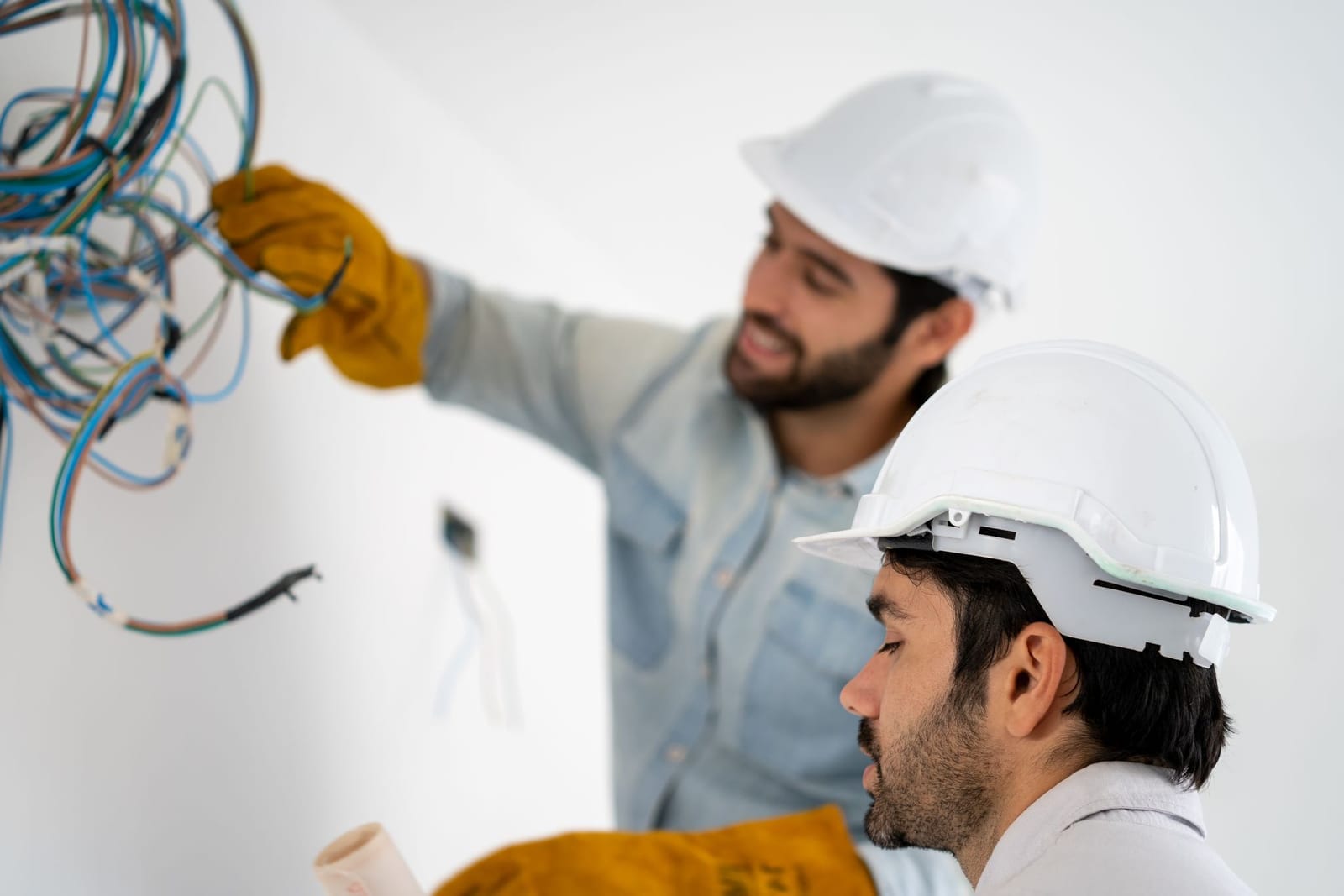
Tampa Bay is full of homes built between 1950 and 1980, and many still run on the wiring they were born with: aluminum branch circuits from the late 1960s and early 1970s, cloth-covered wire, ungrounded two-prong outlets and undersized circuits never meant for a modern kitchen. Insurers know it, which is why 4-point inspections flag these systems. Lightning Bay Electric, a family owned and operated, Florida licensed electrical contractor (EC13013571), rewires homes across Hillsborough, Pasco, Pinellas, Polk and Manatee counties. We offer full rewires, partial rewires and AlumiConn or COPALUM aluminum wiring remediation, always permitted, with up-front pricing and a plan that keeps drywall repair to a minimum. Most of our rewiring customers stay in the house while the work is done, and we keep essential circuits on each night.
What You Get With Lightning Bay Electric
- Whole-home and partial rewiring with minimal drywall disturbance
- Aluminum wiring remediation: AlumiConn and COPALUM connectors or full copper replacement
- Cloth-covered and knob-and-tube wiring replacement
- Grounded outlets, GFCI and AFCI protection throughout
- Dedicated circuits for kitchens, laundry, AC and home offices
- Documentation that satisfies 4-point inspections and insurers
- Permit pulled and inspected under license EC13013571
Signs You Need Home Rewiring & Aluminum Wiring
- Home built between 1965 and 1975 (likely aluminum branch wiring)
- Two-prong, ungrounded outlets in most rooms
- Warm or discolored outlets and switch covers
- Flickering lights or frequent tripped breakers
- Burning smell or buzzing from outlets or walls
- Insurance company requested a 4-point inspection or declined coverage
- Cloth-covered wire visible in the attic or panel
- Planning a remodel or addition on an older home
Tampa Bay's Older Homes and the Wiring Hiding Inside Them
Drive through Seminole Heights, South Tampa, Temple Terrace, Town 'n' Country, old Brandon, Pinellas Park, Gulfport or downtown Lakeland and you are looking at tens of thousands of homes built between 1950 and 1980. They have charm, solid block construction and, very often, the original wiring. Depending on the year, that means cloth-covered cable with crumbling insulation, two-prong outlets with no ground, a handful of 15 amp circuits serving the entire house, and in homes built from roughly 1965 to 1975, aluminum branch wiring that was installed during a copper price spike and has been causing connection failures ever since.
Lightning Bay Electric is a family owned and operated electrical contractor licensed by the Florida DBPR under EC13013571, and rewiring older Tampa Bay homes is work we know well. We perform whole-home rewires, partial rewires of the circuits that matter most, and aluminum wiring remediation using the connectors insurers and the Consumer Product Safety Commission recognize. We do it under permit, with rough and final inspections, and with a plan that keeps drywall damage to a minimum because nobody wants their house torn apart.
Aluminum Wiring: What the Problem Really Is
Aluminum itself conducts electricity fine; the utility lines outside your house are aluminum. The problem with aluminum branch circuit wiring is what happens at the connections. Aluminum expands and contracts with heat more than copper, so every time a circuit warms under load and cools again, the connection at the outlet, switch or wire nut loosens slightly. Aluminum also oxidizes, and aluminum oxide is an insulator, which raises resistance at the connection. Higher resistance means more heat, more expansion, a looser connection, and a cycle that ends with a scorched outlet or a fire inside the wall. The CPSC found homes with aluminum branch wiring are dramatically more likely to reach fire hazard conditions at outlets than copper-wired homes.
The fix does not have to be a full rewire. The two methods recognized by the CPSC and accepted by most Florida insurers are COPALUM crimp connectors, which require a specially licensed tool, and AlumiConn setscrew connectors, which splice a short copper pigtail to each aluminum conductor at every device and junction box. Done correctly at every connection in the house, with antioxidant compound and proper torque, remediation resolves the hazard. Purple wire nuts sold as aluminum-to-copper connectors are not an accepted fix and will not satisfy an inspector. We will tell you honestly whether remediation or replacement is the better value for your home.
Insurance, 4-Point Inspections and Why This Comes Up at Closing
Most homeowners do not think about their wiring until an insurer makes them. Florida carriers require a 4-point inspection on homes older than about 20 years, and the electrical section documents wiring type. Aluminum branch wiring, knob-and-tube, and cloth wiring in poor condition are frequent reasons for a declined application or a non-renewal, and so is a Federal Pacific or Zinsco panel. We get calls every week from buyers who found out at the inspection that the home they are closing on in two weeks has aluminum wiring and no carrier will bind coverage.
The good news is that aluminum remediation is often a one or two day job, and even a full rewire can be scheduled and completed on a closing timeline when we plan it with you early. Our electrical inspection service covers the full 4-point electrical picture, and a panel upgrade is frequently part of the same scope because the panel in a 1972 home usually needs attention too.
How We Rewire Without Destroying Your House
The fear of rewiring is the fear of demolition, and it is mostly unfounded. Tampa Bay's typical single-story block home with a trussed attic is one of the friendlier houses to rewire. We fish new copper cable from the attic down into the wall cavities to each outlet and switch, using existing box openings wherever possible and cutting small, strategic access holes only where a fire block or a framing obstacle stops the cable. Two-story homes and homes with plaster walls take more planning. Before we start, we walk the house with you, mark where access holes will go, and explain the sequence.
Along the way, a rewire brings the home fully to current code: grounded three-prong outlets everywhere, GFCI protection in kitchens, baths, garage, laundry and outdoors, arc-fault protection in living areas and bedrooms, dedicated 20 amp circuits for kitchen countertops, the microwave, dishwasher and disposal, a dedicated circuit for the laundry, and properly sized circuits for the air conditioner and water heater. Tamper-resistant outlets, more outlets per room, and lighting and ceiling fan boxes where you actually want them come along with it. The result is a house that behaves like a new one electrically.
Cost, Timeline and What to Expect During the Work
A complete rewire of a typical 1,500 to 2,000 square foot Tampa Bay home generally runs $8,000 to $20,000, depending on attic access, the number of circuits and devices, whether the panel and service are replaced in the same project, and how much finish repair is included. Aluminum wiring remediation with AlumiConn connectors at every device and junction box usually runs $2,000 to $6,000 depending on the number of connections. A partial rewire targeting the kitchen, bathrooms and the circuits an inspector flagged lands in between. We give a fixed written price after a walkthrough, and it does not change unless you change the scope.
Most whole-home rewires take three to seven working days of electrical work, followed by inspection and patching. We stage the work so essential circuits stay on each night and you can keep living in the house. Remediation is typically one or two days. We pull the permit under our license, schedule the rough inspection before walls are closed and the final inspection when devices are in, and leave you with the documentation your insurer wants.
Cloth Wiring, Partial Rewires and Which Circuits Come First
Homes in Seminole Heights, Ybor, Hyde Park, Gulfport and old Lakeland from the 1920s through the 1950s often still have cloth-covered wiring, a rubber-insulated conductor with a woven cotton jacket. The rubber dries out and cracks over decades of Florida attic heat, and the cloth crumbles when it is touched, leaving bare conductors in boxes and in the attic. It is not automatically dangerous when left undisturbed, but it is dangerous to work on, it has no ground, it is usually on undersized 15 amp circuits with a fuse box, and insurers increasingly refuse it. Knob-and-tube, where individual conductors run on porcelain insulators, is rarer here but appears in the oldest homes and is treated the same way.
When a full rewire is not in the budget, a partial rewire prioritized correctly delivers most of the safety benefit. The kitchen comes first, because it has the highest loads and the most water, followed by the bathrooms, the laundry and any circuit that feeds the air conditioner or a space heater. Bedrooms and living rooms with light loads can often wait, and an inspector or insurer will frequently accept a documented phased plan. We also correct the most dangerous individual conditions wherever we find them: open splices in the attic, extension cords stapled inside walls as permanent wiring, and overfused circuits where a 30 amp fuse protects 14 gauge wire.
A rewire is also when a house gets the circuits and devices a modern family needs. Older homes typically have one or two outlets per room; we add outlets to current spacing so there is one within six feet of any point along a wall, add dedicated circuits for the microwave, dishwasher, disposal, refrigerator and laundry, and install interconnected smoke and carbon monoxide alarms, which is required whenever a home is rewired. If you are planning a kitchen or bath remodel on an older home, our remodel electrical page explains how the rewire and the remodel fit together.
Make an Older Tampa Bay Home Safe and Insurable
If your home is from the aluminum era, has two-prong outlets, or an insurer has sent you a letter, the conversation costs nothing. Lightning Bay Electric serves Hillsborough, Pasco, Pinellas, Polk and Manatee counties; find your neighborhood on the service areas page and read homeowner experiences on our reviews page. Call (813) 897-2665 or use the contact form to schedule a walkthrough and get a written price.
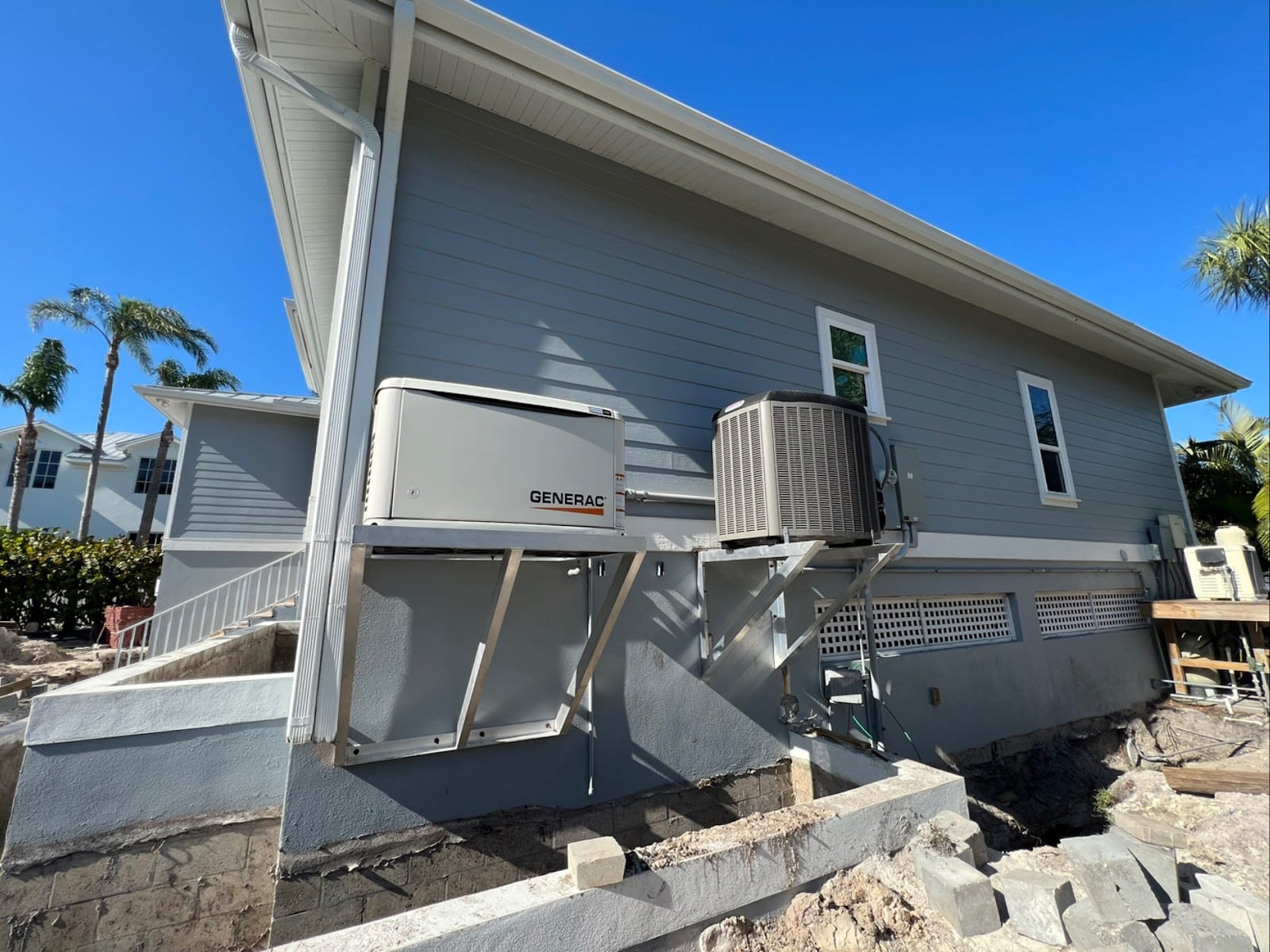
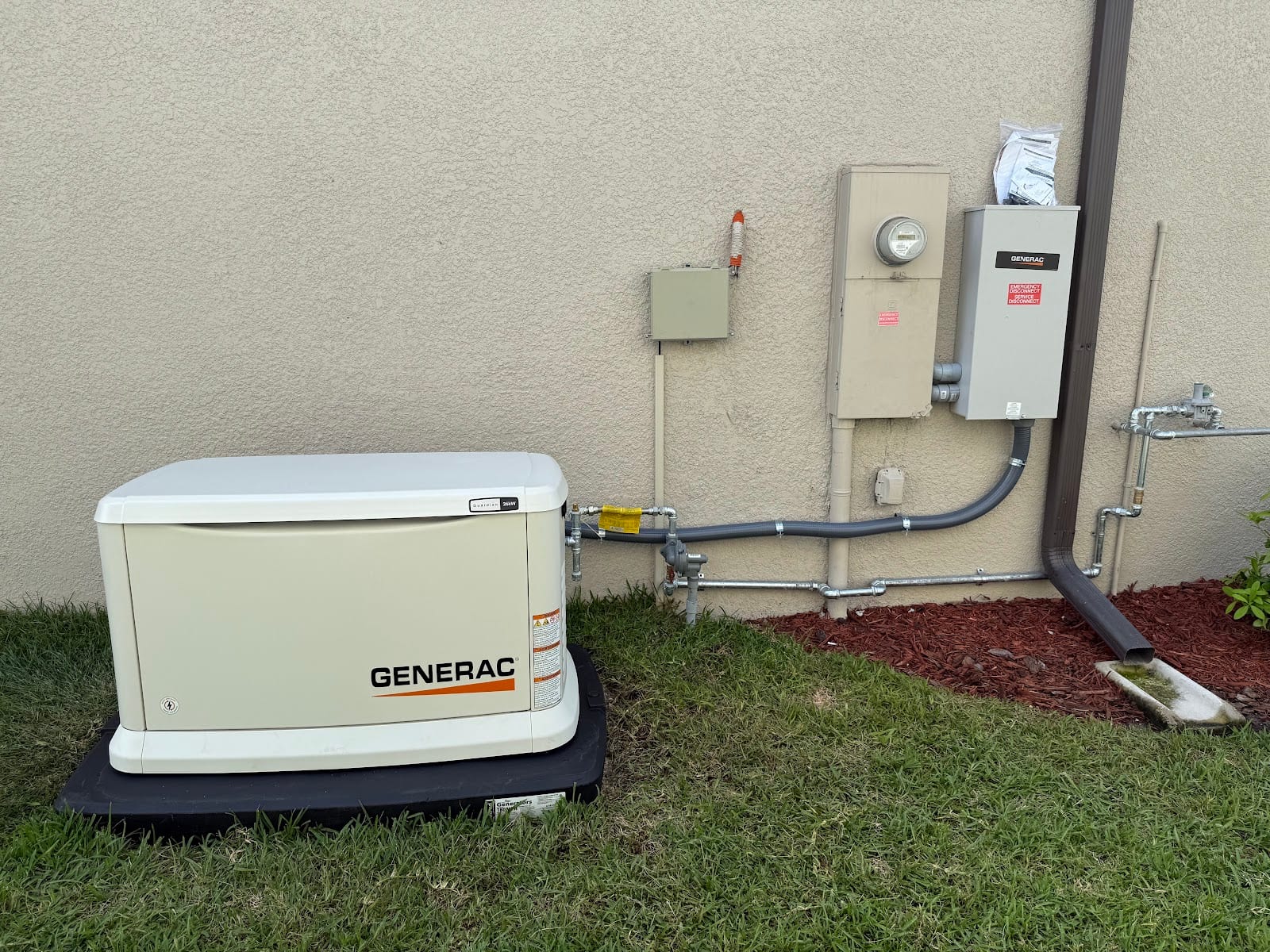
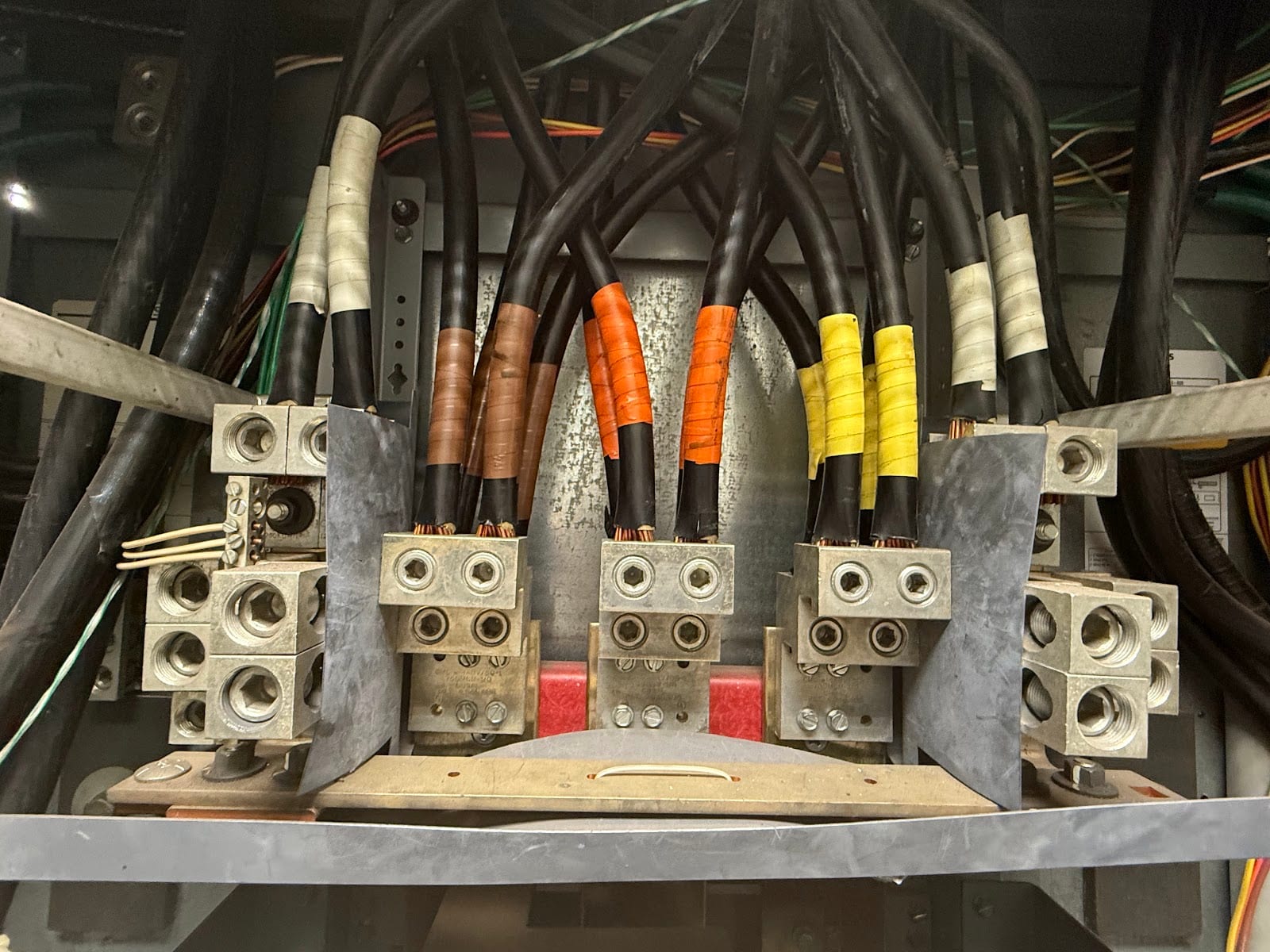
The Work, Up Close
What Customers Say About Our Home Rewiring & Aluminum Wiring Work
Awesome company to work with. When I called and explain my situation they listened and offered solutions over the phone before immediately sending a tech over. The simple problem was actually fixed over the phone with some guidance from the tech. Very honest and personable. All my electrical needs will be going through lightning bay electric.
Getting a quote to the completion of the project was simple, fast, and top quality. I know those 3 things usually do not happen together, but Mike and staff at Lightning Bay Electric are top notch!! Highly recommend them.
Mike is an outstanding electrician and the best in the business. His team is always prompt, reliable, and available whenever we need them, and their customer service is truly exceptional. As the manager of 42 properties, I rely on Mike and his crew for all of our electrical needs. I highly recommend them without hesitation.
Highly recommend Lightning Bay Electric, excellent communication and easy to work with. Jose L. was very detailed and took his time to make sure our light was perfect!!
Jose came out and installed a plug for my new EV, looks awesome, so happy to charge my car at home now! Great communication and worked around my schedule. Highly recommend!
So glad I used Lightning Bay Electric. Michael walked me through every step of his process and explained everything to me as he proceeded. I could tell from the start that he was experienced and knowledgeable. He was very comfortable explaining things in layman's terms. They were a pleasure to deal with and I would highly recommend Michael to anyone who needs electrical work done. Thank you Lightning Bay Electric!
Home Rewiring & Aluminum Wiring Near You
Pick your city for local details, neighborhoods, ZIP codes, permitting and utility notes:
Hillsborough County
Pasco County
Pinellas County
Polk County
Manatee County
Home Rewiring & Aluminum Wiring, Questions We Hear Every Week
How much does it cost to rewire a house in Tampa?
A complete rewire of a typical 1,500 to 2,000 square foot Tampa Bay home runs $8,000 to $20,000 depending on access, the number of circuits, whether the panel is replaced and how much finish repair is needed. Aluminum wiring remediation with approved connectors is far less, usually $2,000 to $6,000. We provide a fixed written price after a walkthrough.
Is aluminum wiring dangerous?
Aluminum branch wiring from 1965 to 1975 is a known fire risk at connections: the metal expands, contracts and oxidizes, which loosens terminations and creates heat. The wiring itself is not the problem, the connections are. Remediation with AlumiConn or COPALUM connectors at every device, or full copper replacement, resolves it and satisfies most insurers.
Will my insurance company require rewiring?
Many Florida insurers will not write a policy on a home with unremediated aluminum branch wiring, knob-and-tube, or a Federal Pacific panel. A 4-point inspection on a home over about 20 years old is where this surfaces. We provide permitted, documented remediation or rewiring that most carriers accept, and we can coordinate directly with your inspector.
Do you have to tear open all my walls to rewire?
No. Experienced electricians fish new cable through attics, crawlspaces and wall cavities using existing openings and a small number of strategic access holes. Tampa Bay's slab-on-grade block homes with accessible attics are often easier than people expect. We show you where openings will be before we start, and most are easily patched.
How long does a whole-home rewire take?
Most Tampa Bay homes take 3 to 7 working days for the electrical, followed by inspection and any drywall patching. We keep power on to essential circuits each night wherever possible and stage the work room by room so you can stay in the house. A partial rewire or aluminum remediation is often finished in one or two days.
Does a rewire need a permit?
Yes. Rewiring requires an electrical permit and rough-in plus final inspections from Hillsborough County, the City of Tampa or your local jurisdiction. Permitted work is what gives your insurer and a future buyer confidence the job was done to code. Lightning Bay Electric handles all of it under license EC13013571.
Need Home Rewiring & Aluminum Wiring Today?
Family owned, licensed and insured (FL EC13013571), 24-hour emergency service across Tampa Bay. Call (813) 897-2665 and talk to a real electrician.